
The Chamber of Petroleum Consumers Ghana (COPEC) has noted that some Oil Marketing Companies (OMCs) have recently reduced fuel prices at the pumps within the ongoing pricing window.
According to COPEC, these reductions are consistent with declining international refined fuel prices, relative stability of the cedi against major currencies, and heightened competition in Ghana’s fully deregulated downstream petroleum market.
This position was outlined in a press statement issued on January 6 and signed by COPEC’s Executive Secretary, Duncan Amoah.
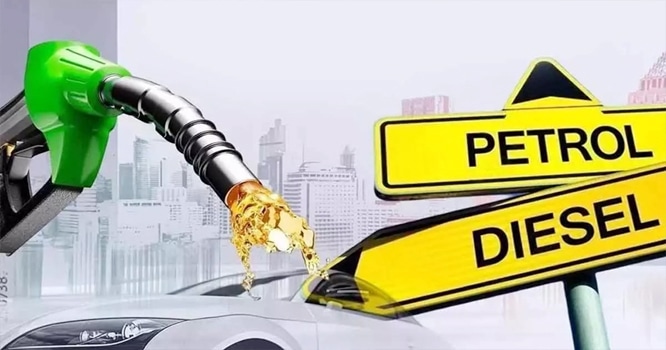
Mr. Amoah explained that a review of prevailing pump prices shows petrol (Super) selling at GH¢10.56 per litre at Star Oil, GH¢10.99 at GOIL, and GH¢11.68 at TotalEnergies. This reflects a price variance of 4.1 percent between Star Oil and GOIL, and 10.6 percent between Star Oil and TotalEnergies. Diesel prices currently stand at GH¢11.56 at Star Oil, GH¢11.96 at GOIL, and GH¢12.38 at TotalEnergies, while premium petrol (RON 95) ranges from GH¢12.96 at Star Oil to about GH¢13.97–GH¢13.98 at GOIL and TotalEnergies.
In light of these figures, COPEC is calling on OMCs that have not yet adjusted their prices during the current pricing cycle to do so without delay, to ensure fuel prices accurately reflect prevailing market realities and protect consumer interests.
The consumer advocacy group praised OMCs that have already taken steps to reduce pump prices in response to changes on the international market.
COPEC further emphasized that timely and equitable fuel pricing is critical to easing the financial burden on households, transport operators, and businesses.
Additionally, the chamber appealed to commercial transport operators, including ride-hailing platforms such as Bolt, Uber, and Yango, to review and lower their fares in line with the reductions in ex-pump fuel prices.
Mr. Amoah stressed that consumers should fully benefit whenever global and local market conditions favour price reductions. He added that COPEC will continue to closely monitor fuel pricing nationwide and engage industry stakeholders to promote transparency, fairness, accountability, and responsiveness within the downstream petroleum sector.
