

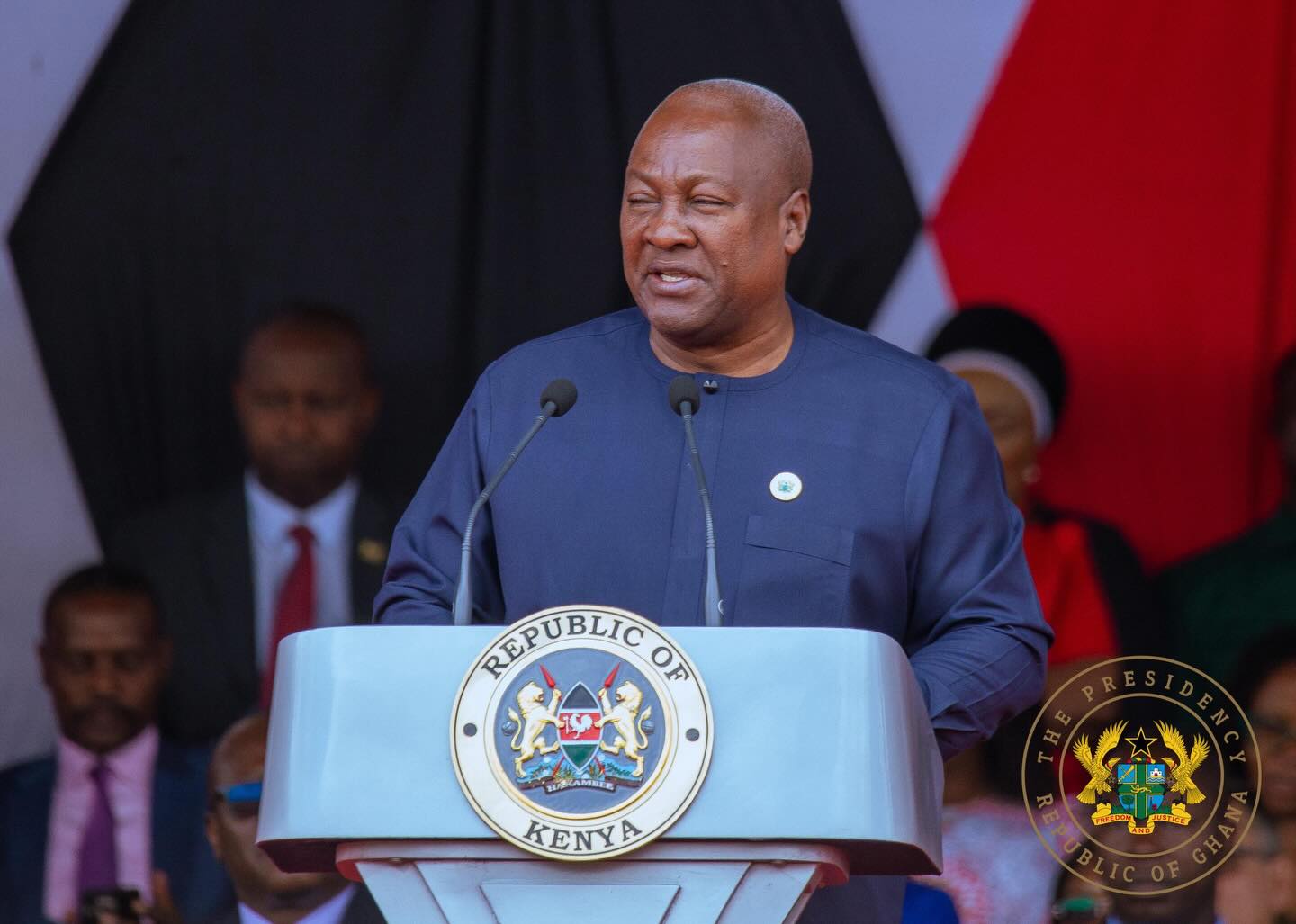
Ghana’s economy showed clear signs of recovery in President John Dramani Mahama’s first year in office, following several years marked by high inflation, costly borrowing, and sluggish expansion.
Data from the Ministry of Finance reveals that the economy grew by 6.1% in the first three quarters of 2025, compared to 5.7% during the same period in 2024 — the fastest growth rate since 2019.
Even more encouraging was the performance of the non-oil sector, which employs the bulk of the workforce. Non-oil GDP surged by 7.5%, signalling strong momentum in key productive areas of the economy.
One of the standout achievements was the dramatic drop in inflation. Headline inflation declined sharply from 23.8% in December 2024 to 6.3% by November 2025 — the lowest rate in nearly six years. Both food and non-food inflation eased considerably, offering much-needed relief to households.
The decline in inflation filtered into the money market and helped loosen financial conditions. Treasury bill rates, which were above 30% at the end of 2024, fell to around 11%, significantly lowering government borrowing costs while improving liquidity within the financial sector.
The Ghanaian cedi also enjoyed one of its strongest performances in years, appreciating against all major currencies. By December 31, 2025, the cedi had strengthened by 40.7% against the US dollar, 30.9% against the British pound, and 24% against the euro.
Ghana’s external sector remained solid as well. The trade balance posted an $8.5 billion surplus by the end of October 2025, supported by higher export receipts and stricter controls on imports.
Gross International Reserves increased to $11.41 billion by the end of October, offering 4.8 months of import cover and providing a stronger buffer against external shocks.
In response to these positive trends, international rating agencies — Fitch, Moody’s, and S&P — all upgraded Ghana’s credit ratings, acknowledging improved fiscal discipline and rising macroeconomic stability.
Overall, the first year of the Mahama administration can be characterised by economic stabilisation — bringing inflation under control, boosting growth, strengthening the cedi, and reinforcing the country’s external resilience.
