

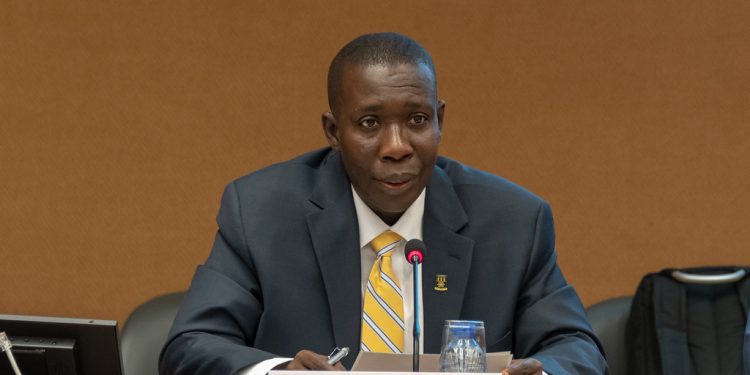
Economist Professor William Baah-Boateng has cautioned the Bank of Ghana (BoG) to take urgent steps to stabilize the cedi, warning that persistent exchange rate volatility poses serious risks to Ghana’s economic growth and business confidence.
Speaking on the Citi Breakfast Show on Monday, October 20, Prof. Baah-Boateng stressed that maintaining a stable exchange rate is vital for long-term planning and economic predictability. He noted that both appreciation and depreciation of the cedi can harm different sectors of the economy.
“Stability is the best. Appreciating and depreciating are not the best,” he said. “We were at GHC12 and suddenly moved to GHC10. When you calculate, that’s almost a 20% swing—it benefits some sectors but hurts others. Overall, the economy loses.”
According to him, the recent sharp appreciation of the cedi could reduce government revenue and weaken export competitiveness, particularly in the cocoa sector.
“Now that the cedi has moved from GHC12 to GHC10, expect that government revenue will take a hit. It will reduce cocoa export margins, and farmers won’t benefit as much. The appreciation erodes almost everything,” he explained.
Prof. Baah-Boateng urged the central bank to intervene effectively to prevent large, rapid fluctuations in the exchange rate. “I expect the Central Bank not to allow the cedi to go up and down sharply. When it reached around GHC10.5, we shouldn’t have allowed it to fall to GHC12.5 and then return to GHC10.5. That kind of swing is too big,” he warned.
His comments echo similar concerns raised by another University of Ghana economist, Professor Godfred Bokpin, who recently cautioned that excessive focus on exchange rate management could distract from broader efforts to ensure long-term economic stability.
