
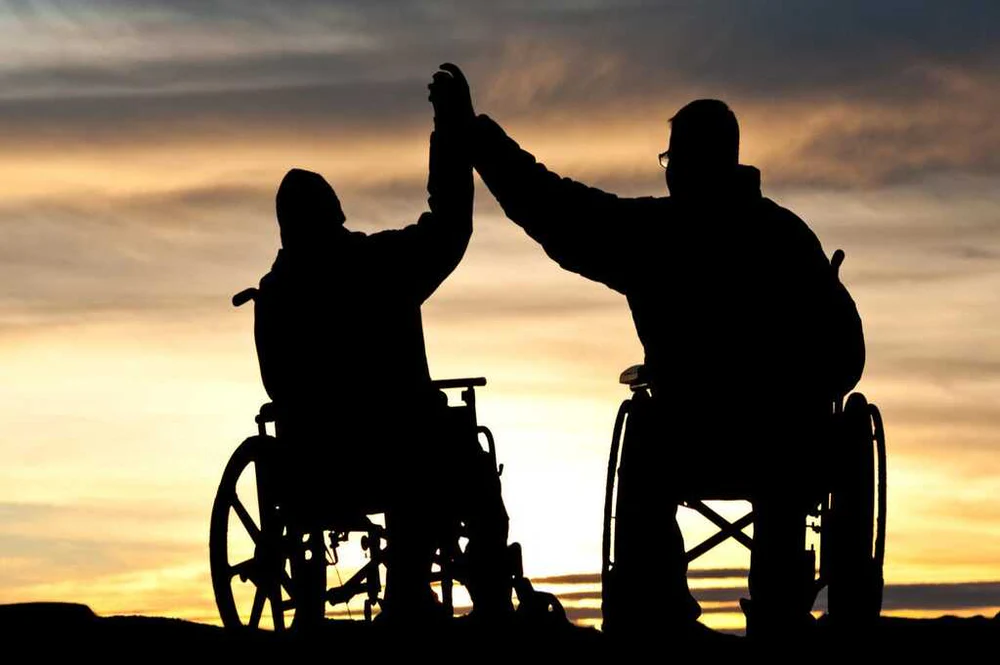
The quest for inclusive democracy has become a cornerstone of modern societies, yet Persons with Disabilities (PwDs) in Ghana continue to face formidable obstacles in exercising their fundamental rights.
PwDs in Ghana are systematically excluded from participating in elections, whether as voters or candidates, due to inaccessible environments, pervasive stigma, and inadequate policies.
PwDs encounter significant barriers when exercising their right to vote, stand for elections, and be elected. These challenges stem from inadequate accessibility of polling stations, information materials, and assistive technologies. Societal prejudices and stereotypes further marginalize PwDs, denying them opportunities for political engagement.
Dr. Peter Obeng Asamoa, President of Ghana Blind Union, emphasizes that PwDs are relegated to the background, denying them their civic right to participate in elections. This stark reality underscores the urgent need for inclusive democracy advocacy.
To tackle these challenges, concrete measures can be taken:
▪︎Delinking Legal Capacity and Voting Rights: Ensure PwDs’ right to vote isn’t tied to legal capacity.
Accessibility Measures: Guarantee assistive technologies, accessible polling stations, and inclusive campaign materials.
▪︎Awareness and Education: Combat stigma through public awareness campaigns and education.
▪︎Empowerment: Support PwDs’ participation in politics through training and capacity-building programs.
Ensuring inclusive democracy for persons with Disabilities (PwDs) requires collective action. The World Bank’s Disability Inclusion and Accountability Framework and International IDEA’s Inclusion Portal provide valuable resources to promote inclusive democratic processes.
Key strategies for inclusive democracy include:
Data Collection: Gathering data to understand PwDs’ needs and barriers to political participation.
▪︎Policy Support: Strengthening legislation and policies to safeguard PwDs’ rights, such as the UN Convention on the Rights of Persons with Disabilities.
▪︎Capacity Building: Training and empowering PwDs, organizations, and stakeholders for inclusive decision-making.
▪︎Accessibility Measures: Ensuring accessible polling stations, assistive technologies, and inclusive campaign materials.
▪︎Awareness and Education: Combating stigma through public awareness campaigns and education.
Implementing these strategies can bridge the gap and ensure PwDs’ full participation in democratic processes.
Ahmed M. Gedel
NDC Technical Advisor on Biometric and NDC Rep@ IPAC & UNDP-GHANA
