

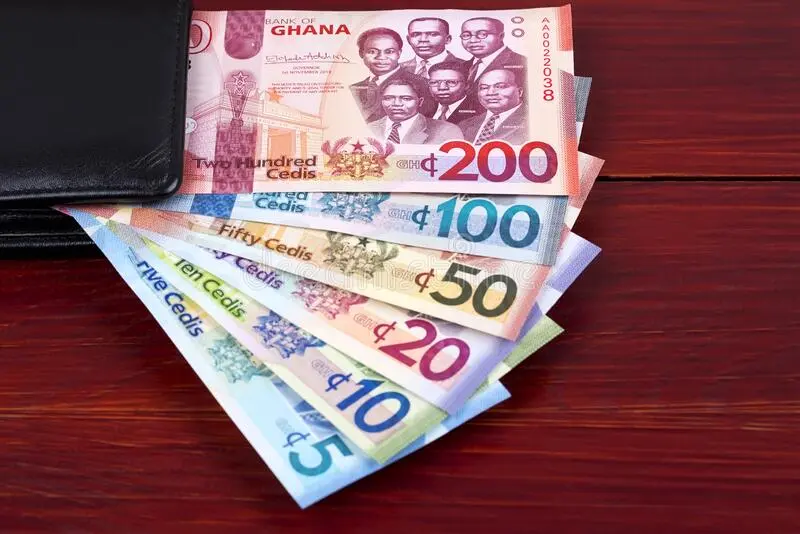
The Ghana cedi continues to hold its position as Africa’s best-performing currency eight months into 2025, despite experiencing mild depreciation in recent weeks, according to the World Bank’s latest Africa Pulse Report.
The report indicates that the cedi has appreciated by over 20 percent since the beginning of the year — the strongest performance among all African currencies.
The World Bank attributes this impressive rally to sound fiscal discipline, prudent monetary policies, increased export earnings, and renewed investor confidence following Ghana’s successful debt restructuring exercise.
Coming in second place is the Zambian kwacha, which has gained about 16 percent in value, driven by ongoing debt resolution efforts, reduced oil import costs, and an improved flow of U.S. dollars.
Currencies in Kenya, Tanzania, and Uganda also recorded modest appreciations, supported by stronger export growth and a revival of foreign capital inflows.
Analysts note that the cedi’s remarkable rebound is particularly noteworthy given its sharp depreciation last year. Its recovery highlights the effectiveness of Ghana’s economic reforms and the country’s improving external environment.
The World Bank further explains that the general strengthening of African currencies in 2025 stems from a weaker U.S. dollar, higher commodity prices, and looser global financial conditions — factors that have helped curb inflation and stabilize markets across the region.
Nonetheless, the cedi has come under slight pressure in recent weeks due to rising import demand ahead of the festive season and expectations of increased election-related spending.
To cushion the market, the Bank of Ghana has announced plans to inject approximately $1.15 billion into the foreign exchange market to ease demand pressures and maintain stability.
Market analysts caution, however, that sustaining the cedi’s strong performance will depend on Ghana’s continued adherence to fiscal discipline, diversification of exports, and long-term structural reforms aimed at maintaining macroeconomic stability.
