

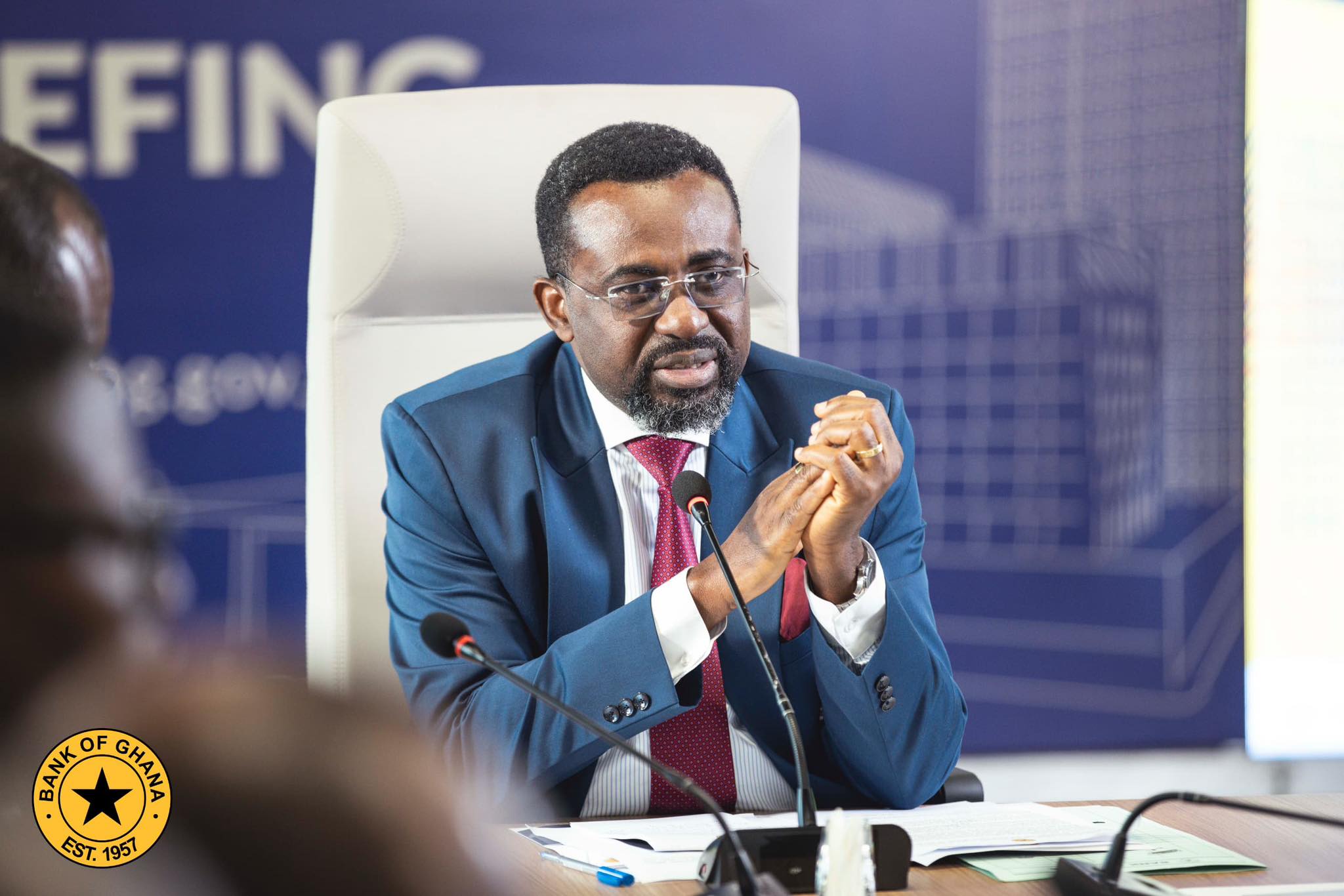
The International Monetary Fund (IMF) has released $367 million to the Bank of Ghana following the successful completion of Ghana’s fourth review under the Extended Credit Facility (ECF) programme.
The amount, received on Wednesday, July 9, represents the fifth tranche of the $3 billion support package approved by the IMF in 2023. This latest disbursement is intended to boost Ghana’s foreign reserves, support the cedi’s stability, and help the government meet urgent balance-of-payment needs.
Launched in May 2023, the ECF programme aims to restore macroeconomic stability, improve debt sustainability, and fast-track structural economic reforms after a challenging period of high inflation, currency depreciation, and mounting debt.
Under the deal, Ghana undergoes regular reviews to assess its performance on fiscal discipline, structural reforms, and financial management.
Finance Minister Dr. Cassiel Ato Forson noted that Ghana’s performance under the programme has surpassed expectations, helping to rebuild both domestic and international confidence in the economy.
The newly disbursed funds will support government spending, contribute to currency stability, and assist in meeting external financial commitments as Ghana intensifies efforts to regain economic resilience and foster growth.
The disbursement also comes amid ongoing negotiations with external creditors and Eurobond holders under the G20 Common Framework — a key requirement for the full success of the IMF programme.
Commenting on the development, economist Professor Patrick Asuming urged the government to allocate the funds toward priority sectors like agriculture and stalled infrastructure projects to drive sustainable growth.
“If I had to advise, I’d suggest directing some of the funds to agriculture and uncompleted road projects. Delays in those areas increase costs, and agriculture remains central to our economy,” he said, adding that with the government’s 24-hour economy initiative underway, agriculture should be a focal point.
