
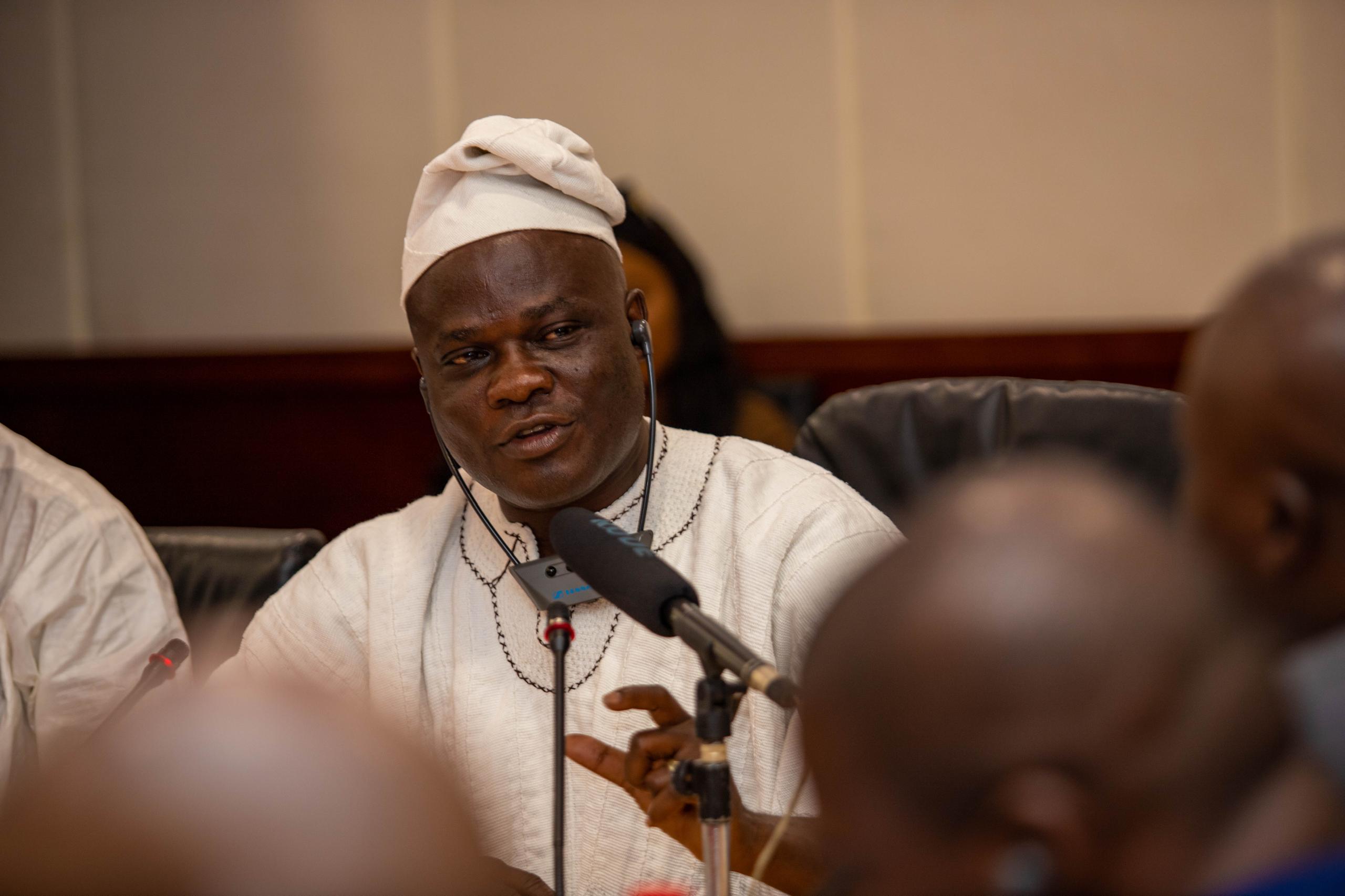
The Minister for Local Government, Chieftaincy, and Religious Affairs, who doubles as the MP for Banda in the Bono Region of Ghana, has commended the Social Cohesion (SOCO) Project, a world Bank funded initiative, for its transformative impact in Ghana, emphasizing its role in bridging the socio-economic gap between the rich and grassroots communities. Speaking at the SOCO Conference in Cotonou, Benin, the Minister highlighted how the project has strengthened social cohesion and economic inclusion, particularly in Ghana’s northern regions.
According to the Minister, the SOCO project has empowered marginalized communities by providing them with livelihood opportunities, improved infrastructure, and economic support, thereby fostering inclusive growth. “This initiative has not only enhanced economic empowerment but has also promoted unity and social stability, ensuring that no one is left behind in our national development agenda,” he stated.
The SOCO project, funded by the World Bank, is designed to address issues of poverty, unemployment, and social fragmentation in vulnerable regions. In Ghana, it has focused on skills training, small-scale business support, and infrastructure development, leading to improved living conditions and stronger community ties.
Several success stories have emerged from the project, including the establishment of local markets, support for artisans, and improved access to essential services. These interventions have provided economic opportunities for women, youth, and local entrepreneurs, helping to reduce inequalities and enhance self-reliance within grassroots communities.
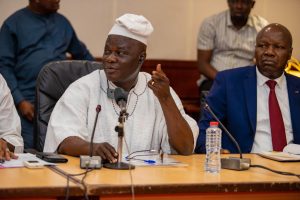
The Minister reaffirmed the government’s commitment to sustaining and expanding the project, ensuring that its benefits are felt across more communities. He also called on stakeholders, development partners, and the private sector to collaborate in strengthening efforts toward inclusive and equitable national development.
The SOCO Conference in Cotonou brought together government representatives, development partners, and stakeholders from the participating countries—Ghana, Togo, Benin, and Côte d’Ivoire—to assess the project’s impact and discuss strategies for its sustainability.
With its continued implementation, the SOCO project is expected to further enhance social cohesion, economic resilience, and community development across Ghana and the West African sub region.
