
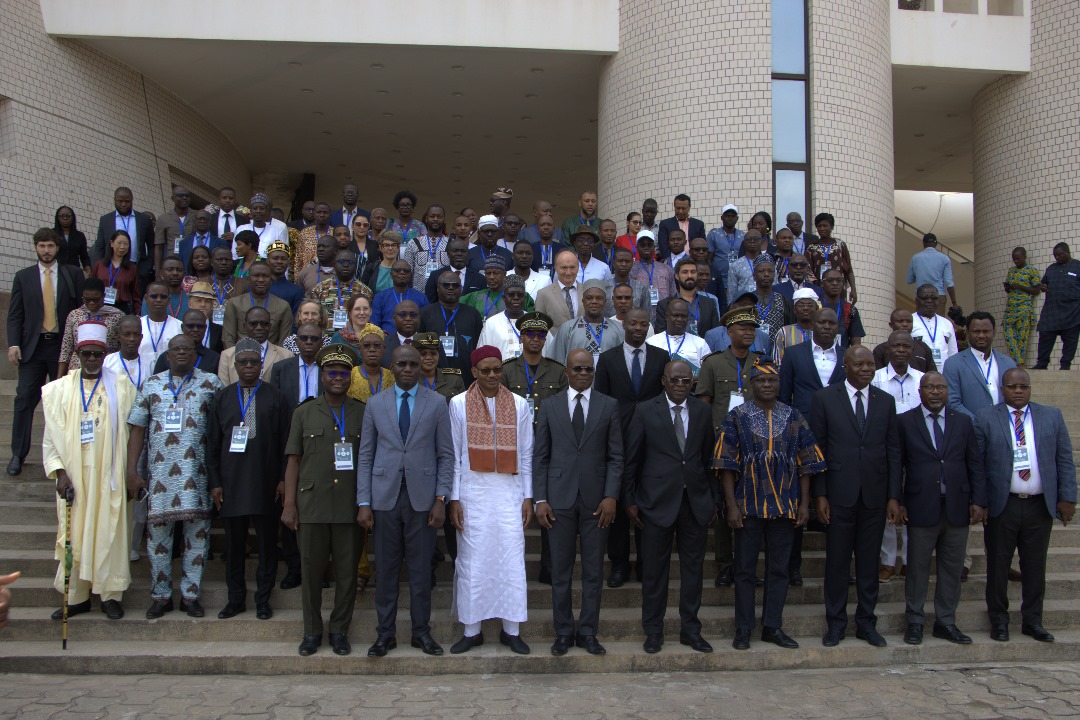
Ghana has reaffirmed its dedication to regional cooperation in tackling shared vulnerabilities affecting border communities in the Gulf of Guinea. Speaking at the Gulf of Guinea Northern Regions Social Cohesion Project (SOCO) Committee for Regional Coordination (CRC) Meeting in Cotonou, Hon. Ahmed Ibrahim, Ghana’s Minister for Local Government, Chieftaincy, and Religious Affairs, emphasized the need for stronger collaboration to address key issues such as violent extremism, poverty, and climate change.
He highlighted that while infrastructure development plays a crucial role, lasting social cohesion requires deliberate efforts to close socio-economic and cultural divides. Addressing youth unemployment, a major driver of instability, he commended the SOCO Project’s role in equipping young people with skills and economic opportunities to foster resilience.
Hon. Ibrahim stressed that regional challenges demand regional solutions, underscoring Ghana’s commitment to working closely with Benin, Côte d’Ivoire, and Togo to harmonize policies, share best practices, and strengthen cross-border cooperation. He further emphasized the importance of long-term investments in governance, policy reforms, and community-driven development to sustain the project’s impact.
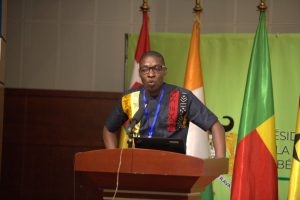
In advancing these efforts, he announced Ghana’s plan to engage the World Bank for additional funding to expand SOCO’s reach to more vulnerable communities.
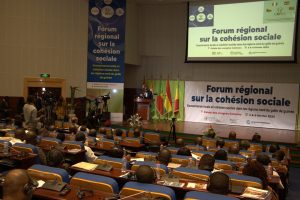
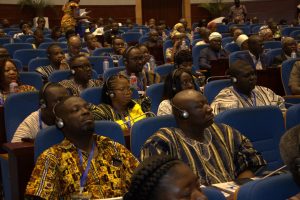
The CRC meeting provided a platform for the four nations to review progress, identify synergies, and enhance coordination in implementing the SOCO Project. Delegates reaffirmed their commitment to deepening regional cooperation to build resilient, peaceful, and economically stable communities across the Gulf of Guinea.
